You shouldn't become a designer.
A few reasons why being a "designer" in any sense is a terrible idea in 2024.
9 years in game development, deep in the action and ARPG space. I specialize in gameplay design, hit-feel tuning, action state machines, and combat system architecture — always in pursuit of that perfect fight.

鸣潮先约电台 / YUE.STEVEN
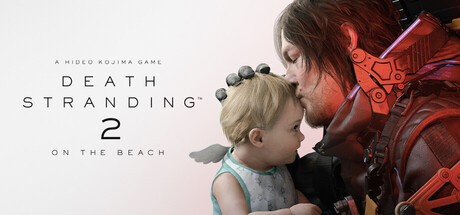
Kojima Productions
Loading...

IWC

Teenage Engineering

Teenage Engineering
I've worked primarily in 0-1 digital product spaces to great success, helping to design thoughtful brand and product experiences. Below are a select collection of some of the businesses I've touched during that time.
I operate in the space between product and brand design, and have been a part of a wide variety of businesses and startups as a designer, leader, and advisor.

Working with LLMs and AI to create a more thoughtful conversational AI experience.

Lead designer for FP&A platform with a focus on financial modeling and analysis, data management, and executive reporting workflows and experiences.

Lead designer for 0-1 third-party risk management product.
Led AuditBoard's brand design team in creating thoughtful design through digital experiences and events, also helped to design and art direct key brand experiences for AuditBoard, including its annual branded conference, Audit & Beyond.

Oversaw and led brand and product design for key flagship products under the APMC umbrella, including Kidoodle.TV, SafeExchange, and various white-label solutions.

Helped to design and launch brand initiatives for business in the Southern California area (OMOMO, Boiling Point, Urbanfloor, etc.)
First designer for a 0-1 digital streaming platform geared towards children. Designed and built foundations for brand and product across platforms including Roku, Apple, Android, and more.
I have a lot of thoughts, and realized I didn't have a proper outlet for them until recently. This is now a place for all of my musings, explorations, and retrospectives that I feel may be of value for someone!
A few reasons why being a "designer" in any sense is a terrible idea in 2024.
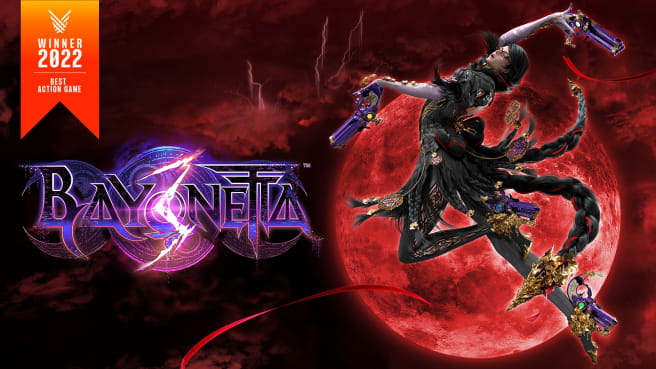
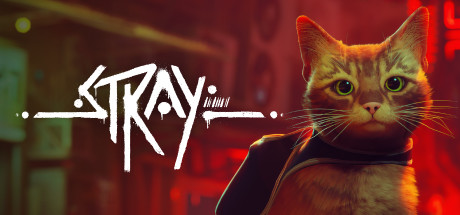
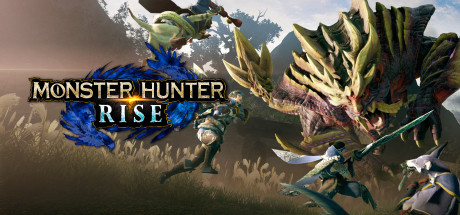
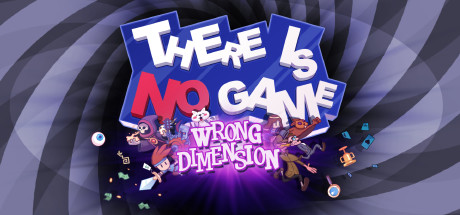
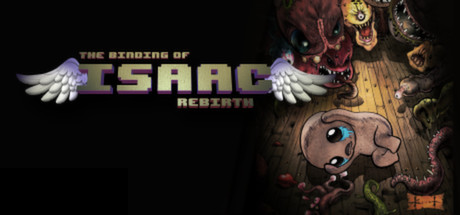
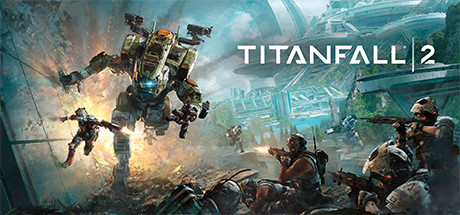
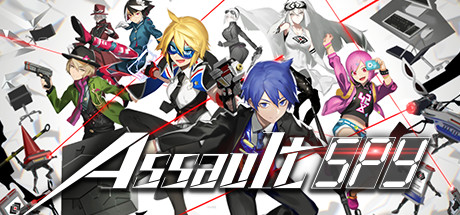
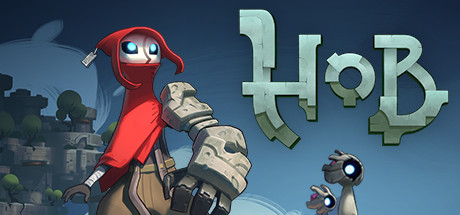
A collection of games I've played and enjoyed. From epic adventures to competitive shooters — these are the titles that left an impression.
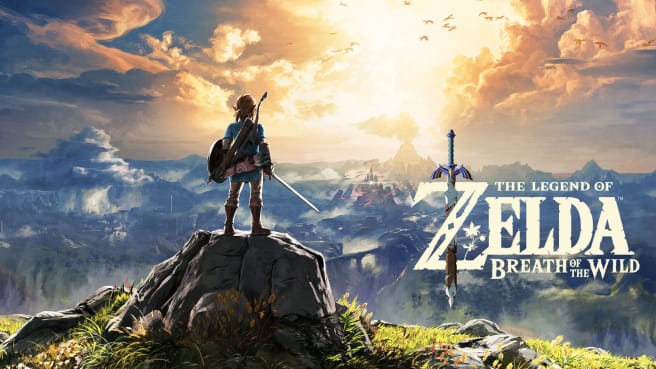
教科书级别的开放世界设计。
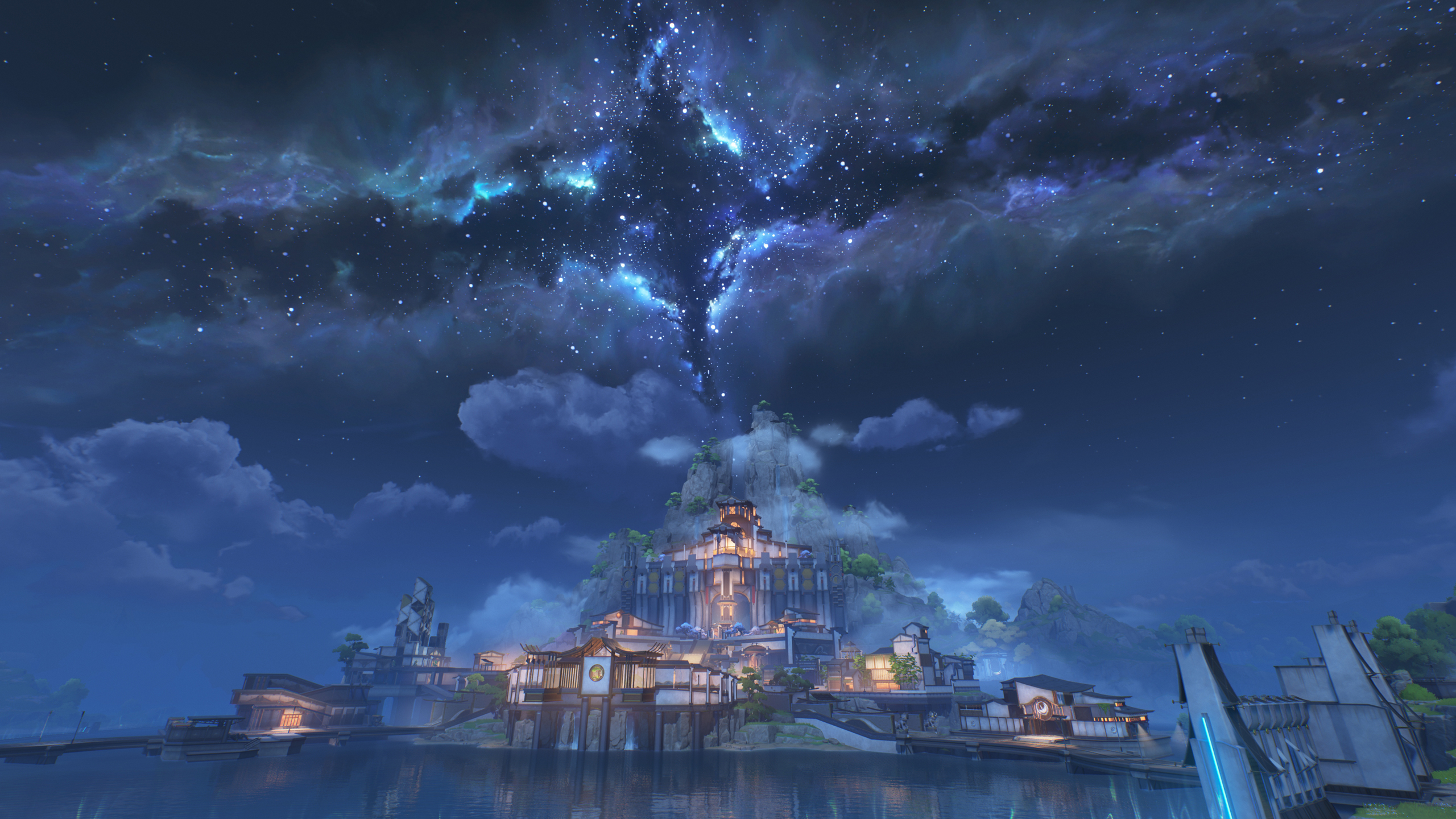
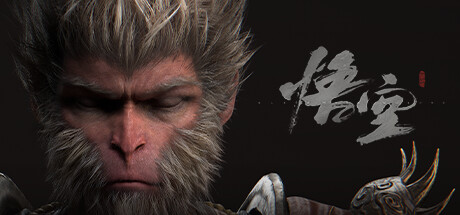 GOTY
GOTY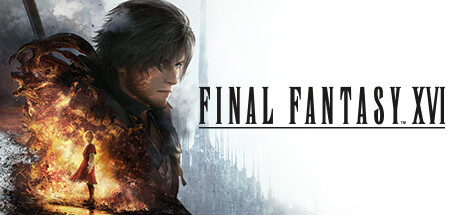
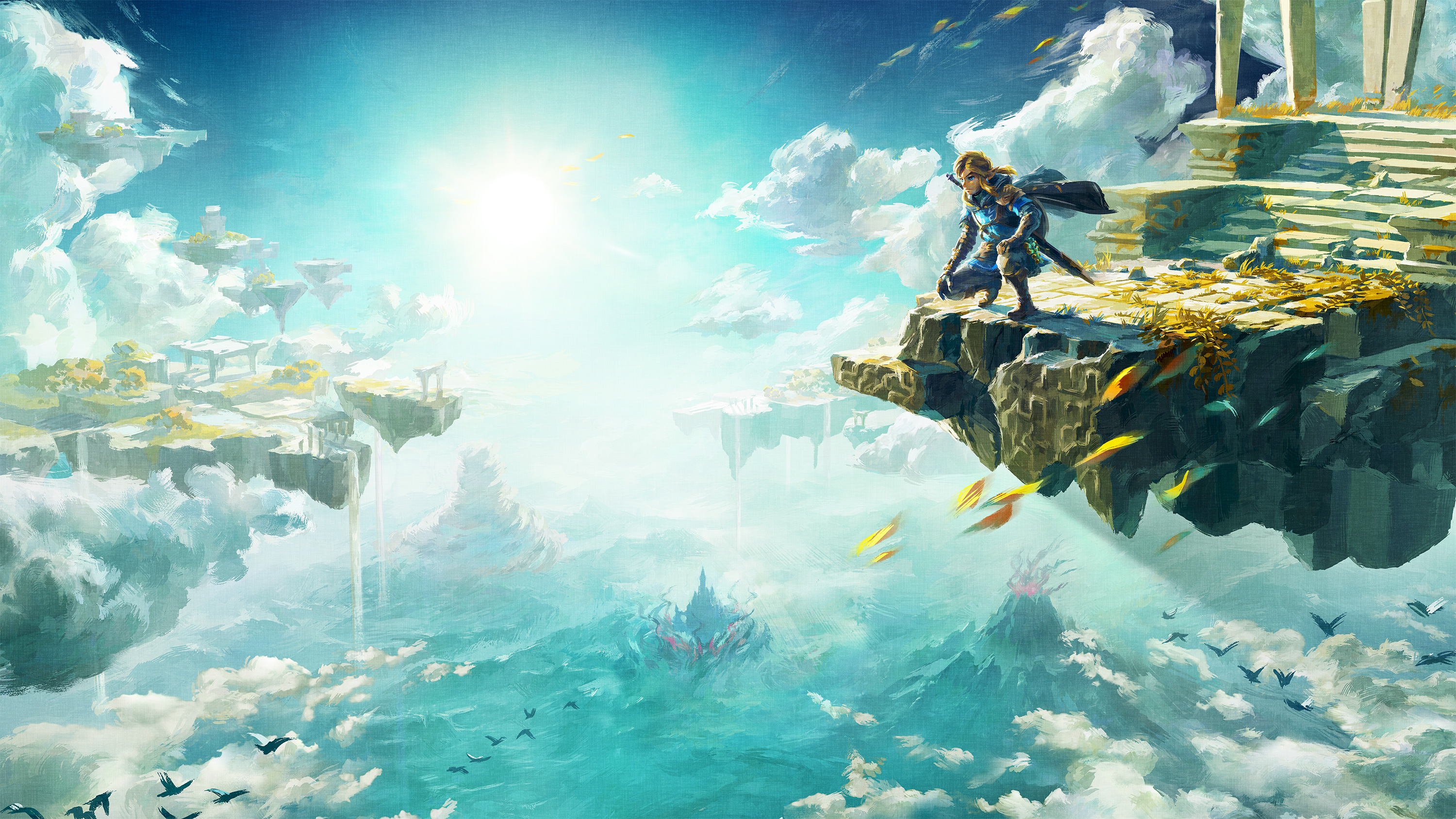 GOTY
GOTY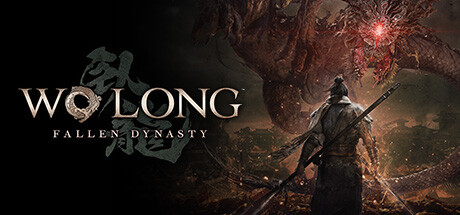
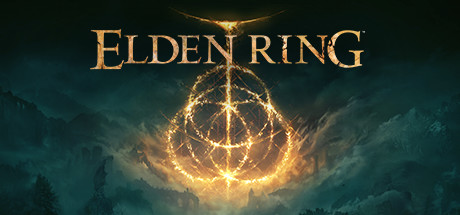 GOTY
GOTY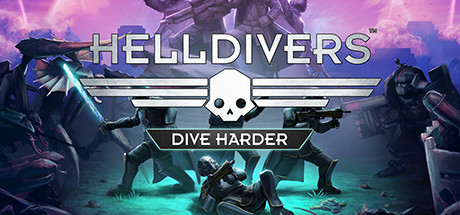
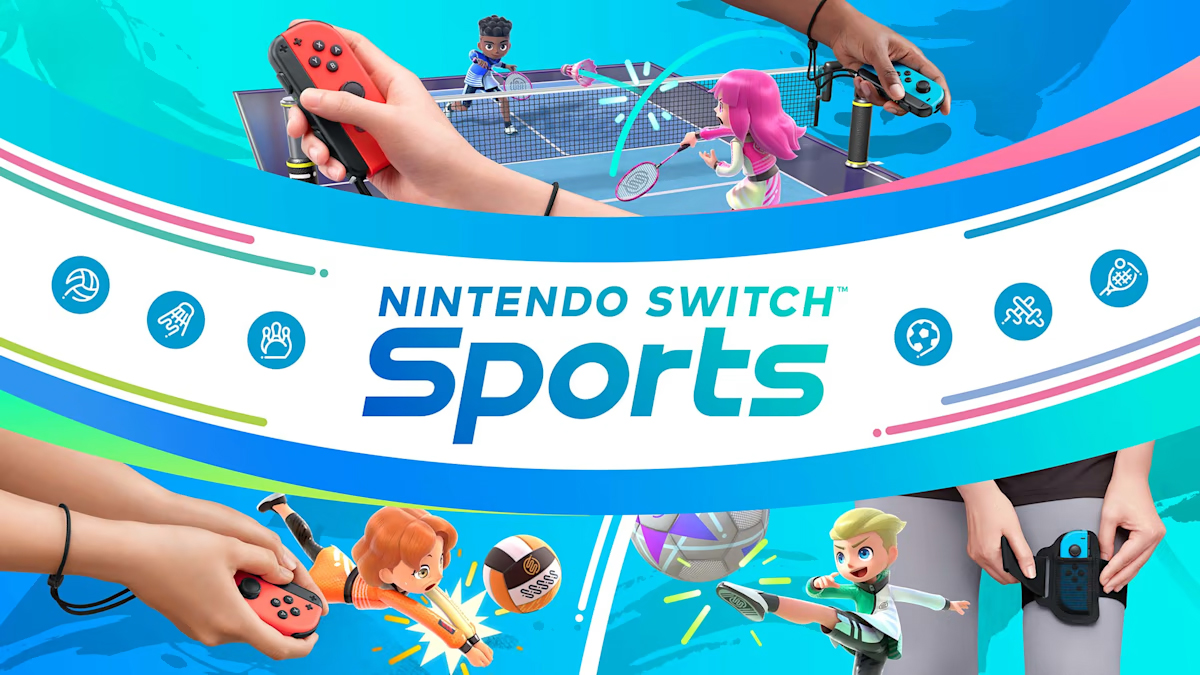
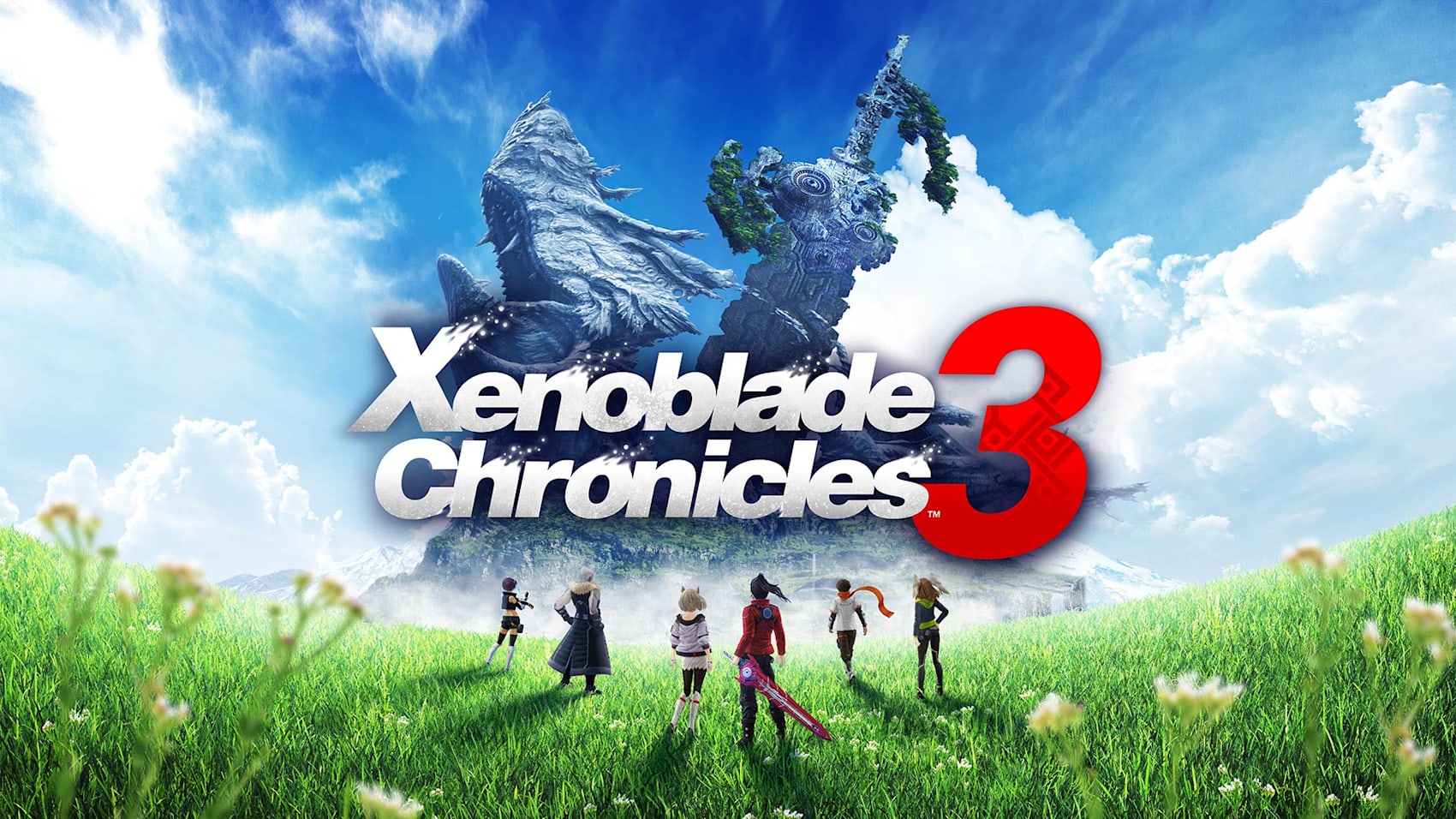
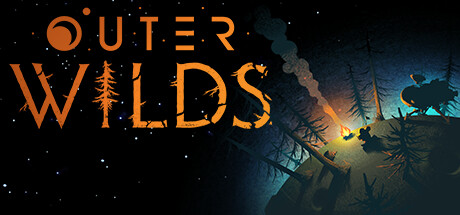
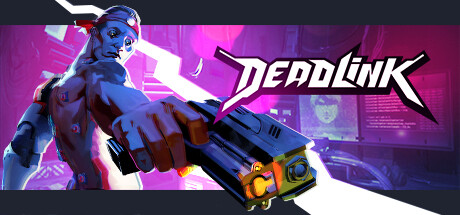
 GOTY
GOTY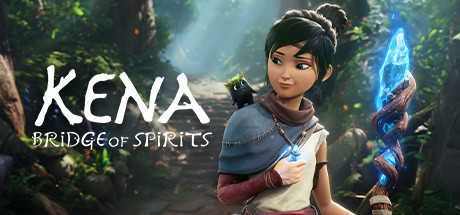
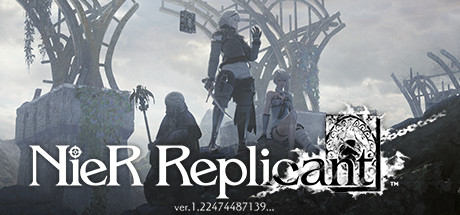

 GOTY
GOTY
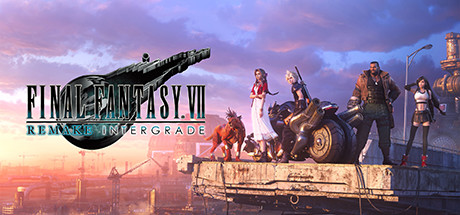
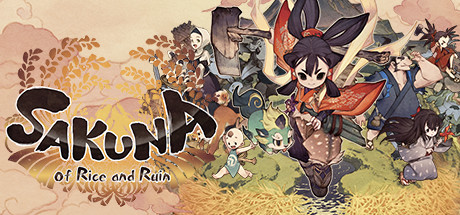
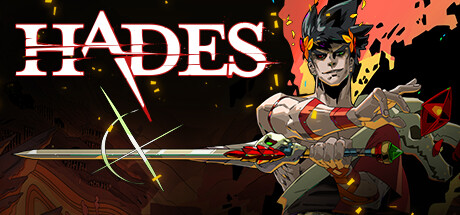
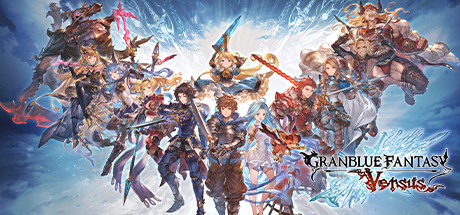

 GOTY
GOTY
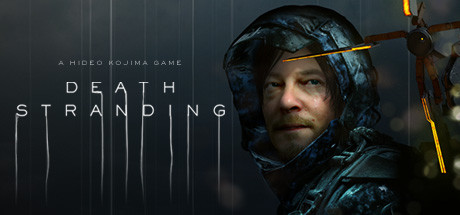
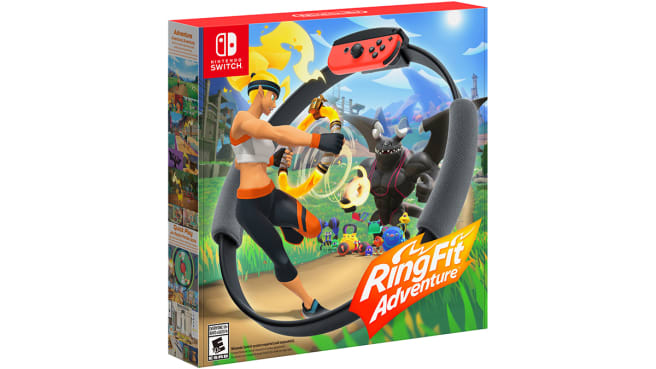
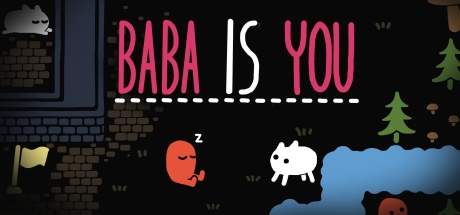
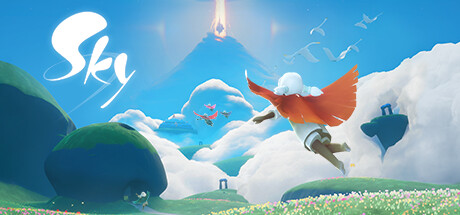
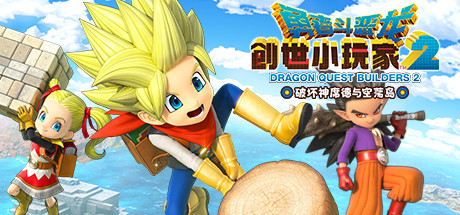
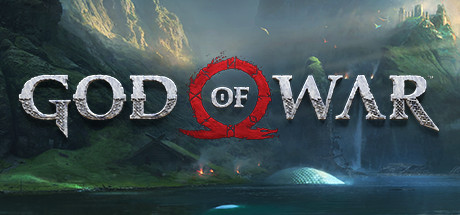 GOTY
GOTY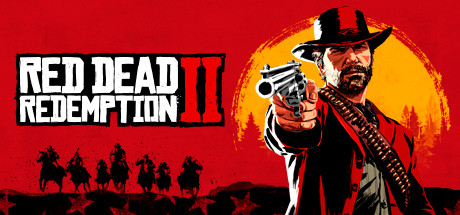
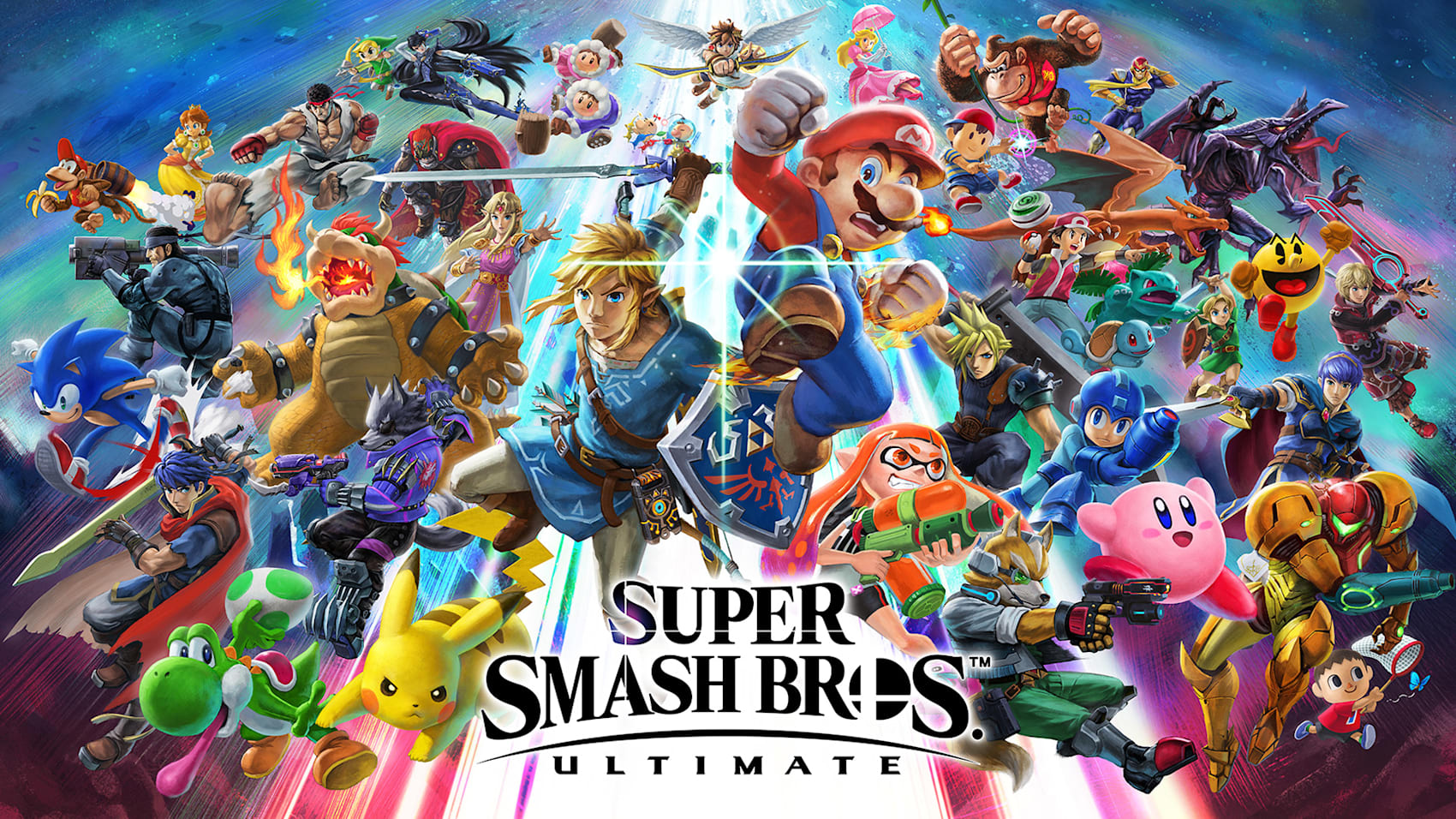
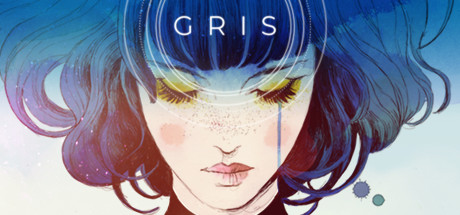
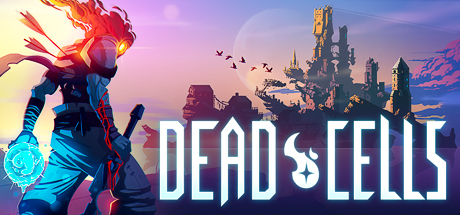

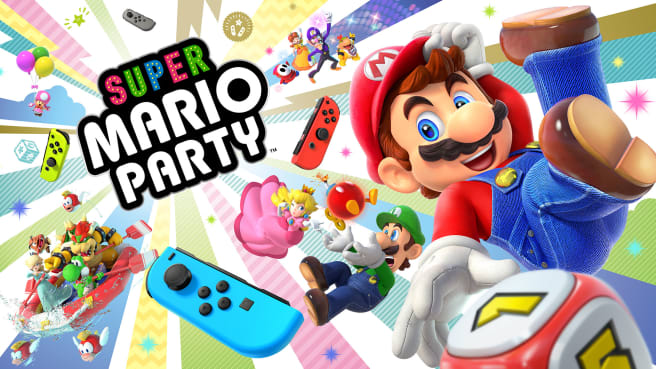
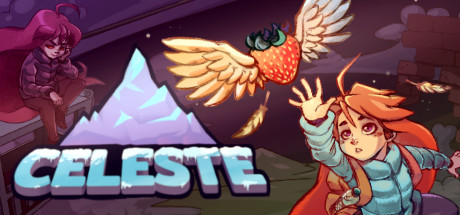
 GOTY
GOTY
These are a collection of things that I've bought throughout my career that holds some type of significance to me.
IWC

Apple

Apple
Teenage Engineering
Teenage Engineering

Leica

Lofree

NewJeans

Razer

Analogue

Nintendo

Fractal
An interactive compendium distilling core combat design principles from 27 GDC talks and GMTK video essays. Covers melee systems, boss design, hit feel & game juice, stylized action, difficulty & accessibility, roguelike combat, and more — presented in an immersive cyberpunk-themed interface with particle effects, progress tracking, and a gamified exploration experience.
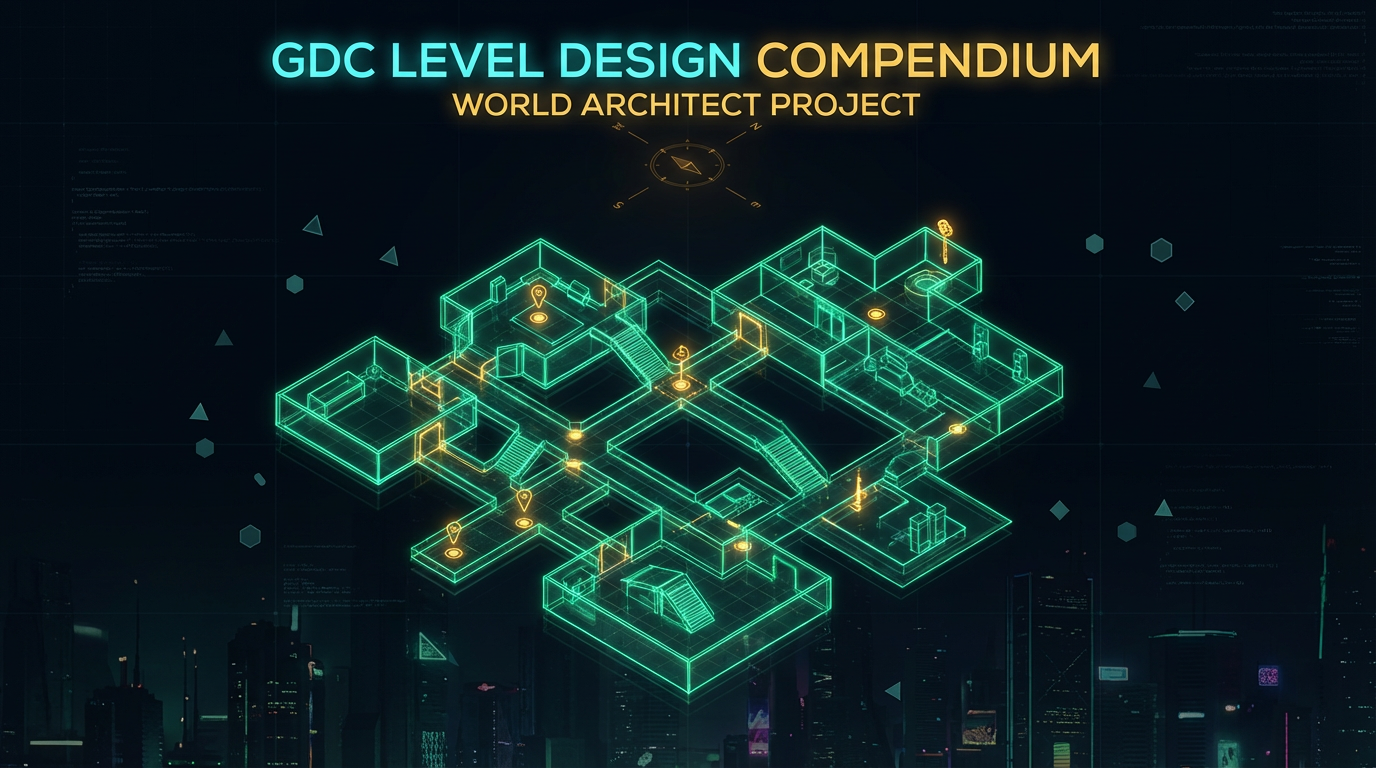
An interactive compendium distilling core level design principles from 21 GDC talks across 5 fundamental design questions and 14 cross-title consensus principles. Covers world structure & connectivity, pacing & experience curves, player guidance, environmental narrative, and design methodology — presented in an immersive cyberpunk-themed interface with particle effects, progress tracking, and gamified exploration.
一款修仙题材的ARPG。项目旨在PC端实现主机级的高品质战斗体验,主打法宝御物的飞行战斗体验。
• 负责战斗核心玩法框架的设计与落地。
• 主导PV剧情BOSS副本的玩法设计与落地。
• 推进系统化功能开发,完成战斗底层核心功能系统的建设。
• 将组织安排的版本目标拆解为可有效推进的开发方案与版本计划,确保每个版本的开发内容保质保量交付。
大型国风写实题材的ARPG项目。重点在于多角色切换战斗的连携性以及超大型Boss的战斗体验设计。
• 以商业模式以及体验偏好驱动,参与设计战斗核心玩法。
• 主导巨型BOSS副本玩法的设计与落地,同时建立开发质量等级标准。
• 负责部分卡池角色玩法设计与落地。
• 推进角色生产管线与开发流程规范建立。
一款俯视角多人合作射击游戏。在还原手机端《HELLDIVERS》体验的同时,探索多人共斗体验的更多可能性。
• 负责角色3C的设计与落地。
• 负责技能系统与编辑工具的设计。
• 以工业化产线将各功能模块进行系统化拆解与设计。
• 建设策划团队以完成项目各里程碑阶段的研发需求。
一款二次元放置RPG游戏。项目以AI伙伴情感价值为愿景,助力玩家由线上的AI陪伴过渡到线下的真人社交。
• 角色生产管线以及生产规范制定。
• 战斗系统框架及编辑工具设计。
• 总管角色3D资产的制作与投放,以实现版本目标内容所需。
一款单机Roguelike,以抑郁症的情感内核作为玩家的游戏体验的基底,帮助玩家理解并战胜疾病带来的生活阻碍。
• 通过制定随机关卡的生成规则与美术资产标准,实现自动化随机。
• 关卡玩法框架设计以及基于体验的随机规则制定。
• 完成部分玩法的系统框架以及界面的交互设计。
一款日式开放世界RPG手游,以全场景破坏与建造、68位英雄、箱庭式大世界探索为特色。
• 完成部分地图事件、任务事件及NPC角色表演和AI设计。
• 以打造挑战与乐趣并存的游戏体验为蓝图设计boss副本。
• 通过大量的创意玩法副本设计,完成游戏大地图场景的游戏内容填充。
一款以换装格斗为主的横板动作手游。
• 部分角色战斗技能的设计与配置实现。
• 部分BOSS行为树设计与配置实现。
• 部分章节剧情战斗的设计与配置实现。
一款俯视角枪战竞技对抗游戏。
• 通过英雄的形象与背景设定完成技能设计与落地。
• 对武器进行包装以及功能性设计以实现战斗趣味性。
• 部分PVP活动玩法副本地图的设计与落地。
A few reasons why being a "designer" in any sense is a terrible idea in 2024.

As of this year, I would confidently be able to say I’ve been working as a designer (in a variety of different capacities) for about 15 years. During that time, I’ve gone from being a founding designer, a design leader, and a high level individual contributor at quite a few organizations. I’ve seen some succeed in an incredulous manner, some fail crushingly, and some just “figure it out” at a steady pace. And the thing is, I’ve been periodically asking myself the same question throughout:
And ultimately, I come back to the answer of: Yes—but the reason always changes. Because of that, I think those reasons have helped to inform a few “whys” that I think are important to know if you decide to embark on quite an unclear career path like this one.
So here are some reasons why I wish I hadn’t become a designer:
I’ve always been into graphic design, digital design, digital art, web design, yadda yadda yadda… If you do some digging, you’ll see artifacts of myself from different times, when I dabbled in almost every niche within design I could possibly throw myself into. The reason? I loved to create, and I loved to be inspired.
For a lot of younger people, design is probably intriguing because of this notion of “expressing yourself creatively”. It feels like an attractive option to be able to flex your creative muscles, create some work you’re proud of (often visually motivated), and be able to say: “that’s something I made!” after it all.

This isn’t to say that you won’t have glimpses of these moments—it’s just that they’re far and few compared to the day-to-day drudgery work you might end up doing. Design is much of the time a problem-solving exercise, no matter the focus. As a graphic designer, you’ll spend more time trying to figure out how to execute on a strategy from a marketing partner. As a web designer, you’ll have to spend a lot more time with developer alignment and handoff. As a product designer, you’ll have cross-functional stakeholders who have strong convictions on how a problem should be answered. And all of these problems have probably been answered by someone in a some way in the index of endless output of ideas that we call the internet.
You’ll spend less time being “creative” from your conventional understanding of the word and look for ways to solve problems while dealing with constraints. If you want to be creative and expressive, I’d look into going into content creation or a form of traditional art.
I don’t think people get into creative fields thinking they’re going to make a ton of money, but it’s probably important to know that as you get older and life starts to move at a different pace, more money will become a priority.
I personally didn’t get into the field expecting to make what I make now, and I’m incredibly blessed that I’ve been given the opportunities to do so. I was fully expecting to live a simple life making $60-$80k a year when I was younger and more naive, but no matter how optimistic you are… eventually reality hits.

If you’ve ever wanted to own a home, have children, get married—understand the tradeoffs you’re making by picking this field.
Design is demanding, often requiring its admirers to sacrifice times, relationships, and headspace for a non-guaranteed promise of success. Agency life brings overtime, stress, and short turnarounds. In-house work is draining, political, and creatively limiting. And freelance? That’s a different animal on its own that wants every essence of you.
And for my third and final point… you’ll soon come to realize that to excel in this path, you have to learn how to “play the game”.
Office politics is unfortunately what fuels success in all careers, and design is no exception. I once foolishly believed that I could win the world with just my talent and hard work, but I saw my peers move faster and farther by making the right relationships, constantly shooting their shots, and focusing on being opportunistic. It was a painful experience that took me way too long to learn, and I was well into my late twenties by the time this truth sunk in.

I do a lot better nowadays, but it took a lot of focus and determination… along with kind hearts, good coffee, and insightful conversation.
What drove my career to this point was less about my deep understanding of Figma, building products, and creative tools, but the value and relationship I was able to create with the people who were influential near me.
Well, if I didn’t deter you with all that—congratulations! You’ve fallen into the trap of love for design, like I foolishly had 15 years ago. But fret not, I have some good news.
If you still are interested, it probably means you genuinely care about the work you do and you have a passion for crafting and building things. Your interest in this field is less about the clout or money and probably more towards the craft of it.
So here’s the advice I have for a fellow (and maybe younger?) artisan. Love the craft. Keep sharp and constantly keep learning. The ones who continue to learn are the ones who continue to grow. Humility will be the backbone of your growth, as you’ll always be looking to learn from every opportunity. While others hoard money and influence, you’ll become insanely valuable by becoming wealthy in knowledge.
With that, I wish you the best of luck. Give it your all, create some awesome stuff, and take advantage of every opportunity you have to prove that you’re a real one. Make it a mission to show everybody what a real designer looks like—what a real craftsman is.
This post was written in 2019, via Medium.

There was a period in my life when my future was filled with unlimited potential and possibilities. Life was something that was intriguing, exciting, and full of wonder. Every day, I couldn’t wait until I was old enough to “do that thing”, “be my own man”, or “fulfill my dreams”.
As I got older, life acquired a different taste. Somewhere along the line, it became less about possibility and dreaming, and more about stability and compromise. As I closed out my twenties, all I could think about was what I failed to accomplish in this regard.
I hadn’t gotten married by 21…
and then by 24…
and now, 30.
I never got to own my own studio by 25. I never became a wildly successful designer that people recognized off the street. I never got to work with Nike. I never got to work with my design heroes. I never got to buy my sick penthouse.
It’s even sadder if I dive deeper to back when I was a pre-teen. I never became an astronaut. I never figured out time-travel. I never discovered a new planet. I never went to space. I never figured out how to clone myself so I could make my clone do all the things that I didn’t want to do in my life (cloning is hard, guys).

As a youth I was so fixated on accomplishing all these things by certain timelines — almost as if my life was operating on a ticking clock. Every day became less exciting and became more about shortened deadlines. By my mid-twenties, life had turned into one big task list. I couldn’t help but wonder: What had happened in my life so that compromise became the indicator for growth?

I didn’t have a “freakout” when I turned 30. Friends, How I Met Your Mother, and other tv comedies from the 00’s told me that this was a significant change that I would feel, and that I would mourn the loss of my youth when it came around — but it did the opposite.
I came to accept the terms of life that I refused to sign-off on for the past two decades: Life isn’t a sprint. It’s a marathon and you’re the only one running it. From there on, it became about finding the right pace for me, and the perspective to match.
I had a massive checklist of things I wanted to get done by this time. I failed on all of them. But I’ve done so much more than that list could ever detail.
It’s interesting how we spend our entire lives planning things out, only to be constantly reminded that life doesn’t play by our rules. The sooner we accept that, the sooner we can experience these curveballs in a more joyful perspective — embracing change and the challenges that come along the way that aren’t necessarily “wrenches” in our plans, but alternate roads we never could have imagined ourselves.
My life looks nothing like what I imagined it to a year ago, much less 10 — and I’m sure yours does too.
And you know what? I think that’s what’s supposed to make life fun.
Open WeChat, scan the QR code to add as friend