AI 时代的核心能力框架
当所有人都能"做出来"时,真正比拼的是你能不能把想要的东西说清楚,以及判断 AI 给出的结果对不对。

9 years in game development, deep in the action and ARPG space. I specialize in gameplay design, hit-feel tuning, action state machines, and combat system architecture — always in pursuit of that perfect fight.

鸣潮先约电台 / YUE.STEVEN
Kojima Productions
Loading...

IWC

Teenage Engineering

Teenage Engineering
I've worked primarily in 0-1 digital product spaces to great success, helping to design thoughtful brand and product experiences. Below are a select collection of some of the businesses I've touched during that time.
I operate in the space between product and brand design, and have been a part of a wide variety of businesses and startups as a designer, leader, and advisor.

Working with LLMs and AI to create a more thoughtful conversational AI experience.

Lead designer for FP&A platform with a focus on financial modeling and analysis, data management, and executive reporting workflows and experiences.

Lead designer for 0-1 third-party risk management product.
Led AuditBoard's brand design team in creating thoughtful design through digital experiences and events, also helped to design and art direct key brand experiences for AuditBoard, including its annual branded conference, Audit & Beyond.

Oversaw and led brand and product design for key flagship products under the APMC umbrella, including Kidoodle.TV, SafeExchange, and various white-label solutions.

Helped to design and launch brand initiatives for business in the Southern California area (OMOMO, Boiling Point, Urbanfloor, etc.)
First designer for a 0-1 digital streaming platform geared towards children. Designed and built foundations for brand and product across platforms including Roku, Apple, Android, and more.
I have a lot of thoughts, and realized I didn't have a proper outlet for them until recently. This is now a place for all of my musings, explorations, and retrospectives that I feel may be of value for someone!
当所有人都能"做出来"时,真正比拼的是你能不能把想要的东西说清楚,以及判断 AI 给出的结果对不对。
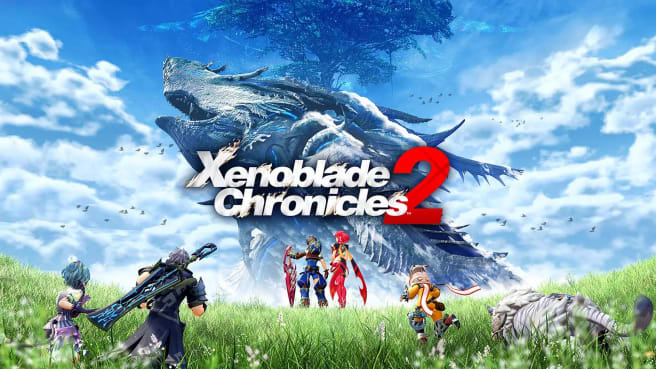
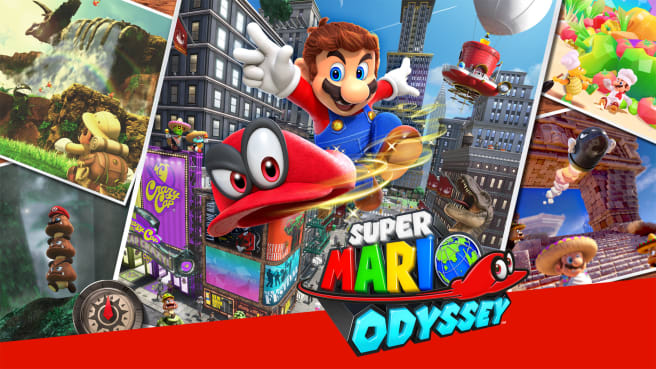
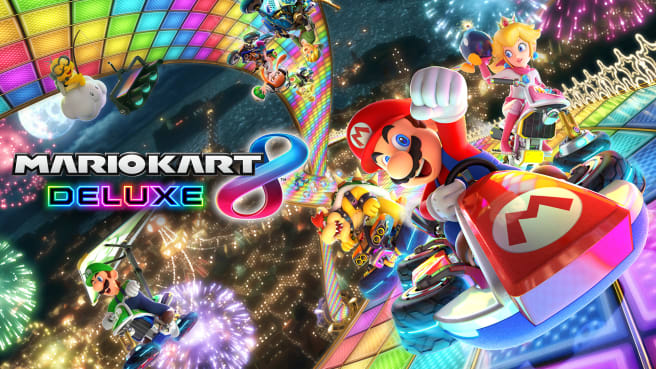
A collection of games I've played and enjoyed. From epic adventures to competitive shooters — these are the titles that left an impression.
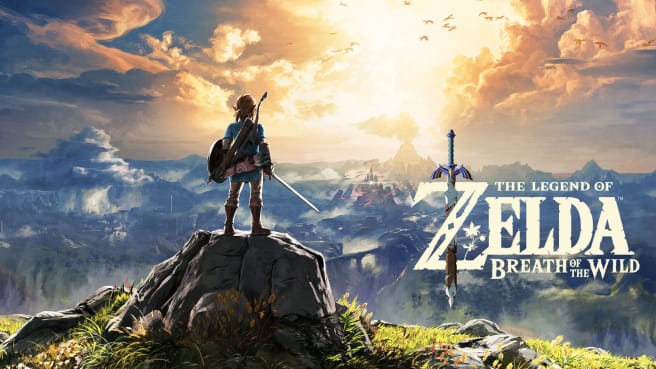
教科书级别的开放世界设计。


 GOTY
GOTY
 GOTY
GOTY
 GOTY
GOTY
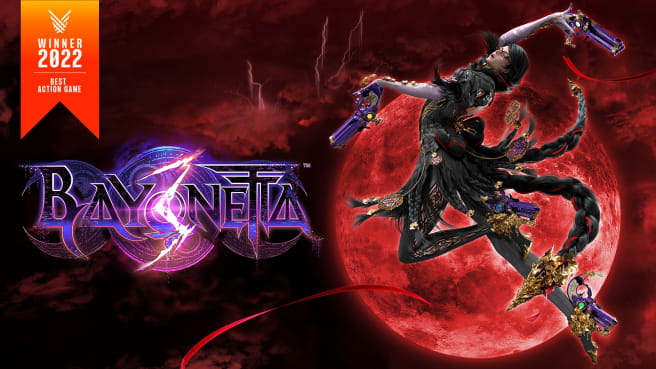
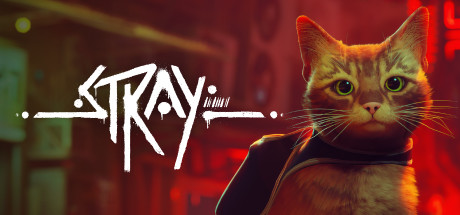
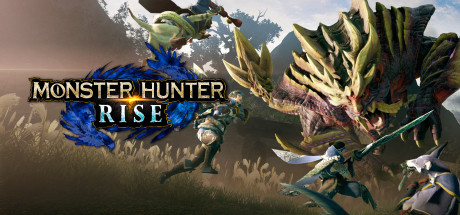
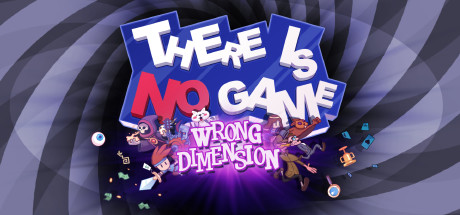
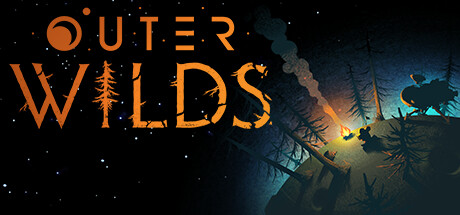
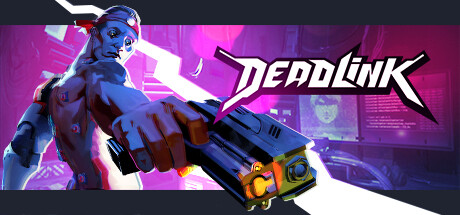
 GOTY
GOTY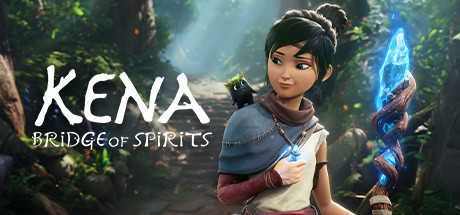
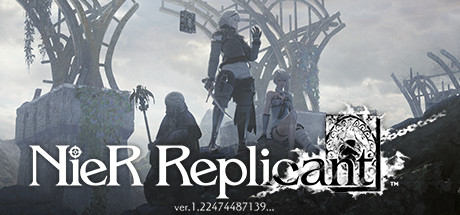

 GOTY
GOTY


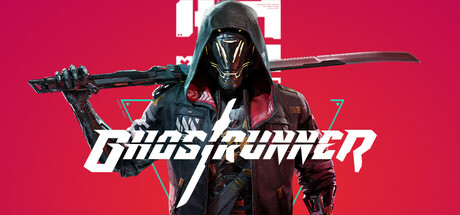
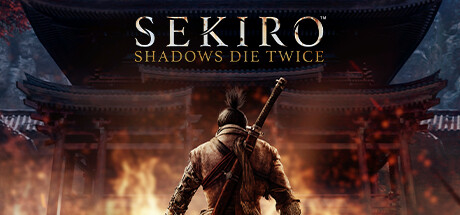 GOTY
GOTY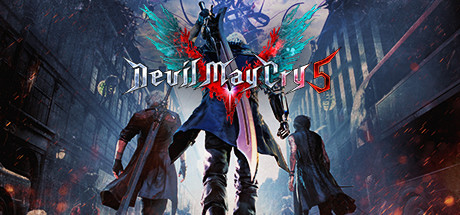
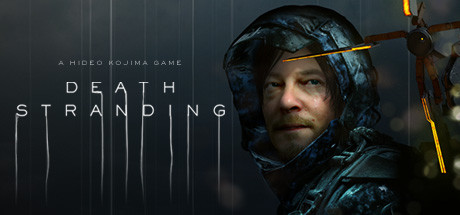
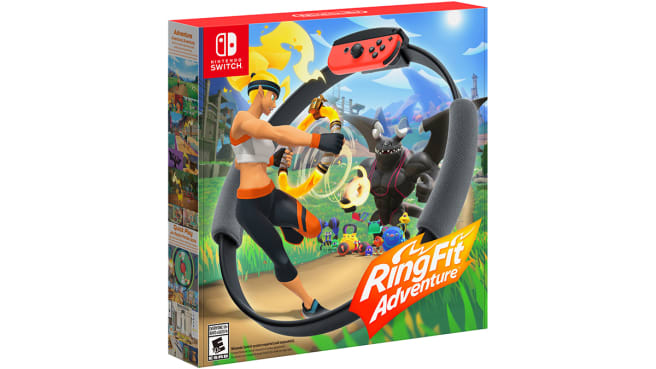
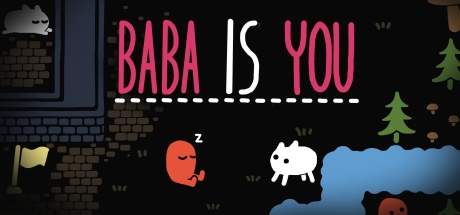
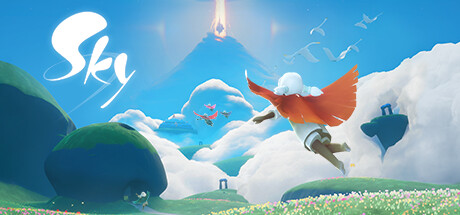
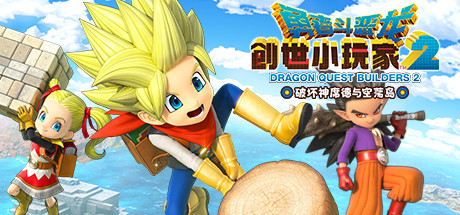
 GOTY
GOTY
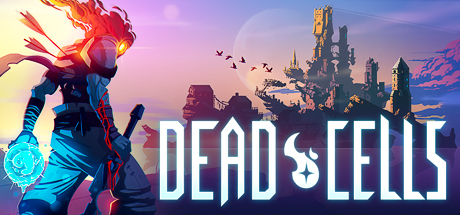

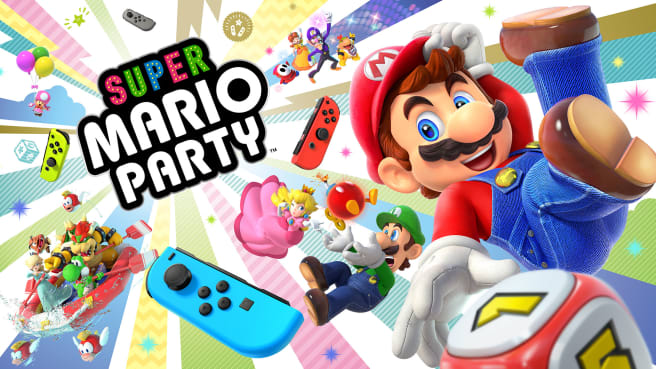
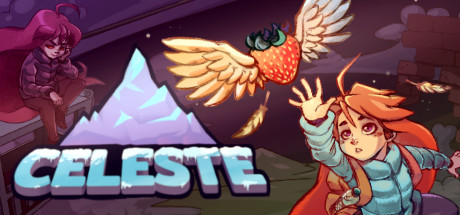
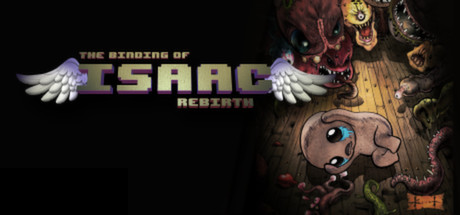
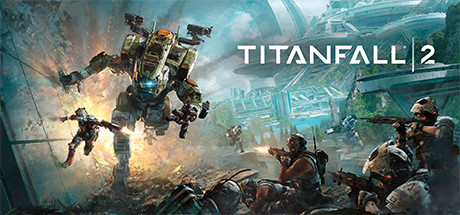
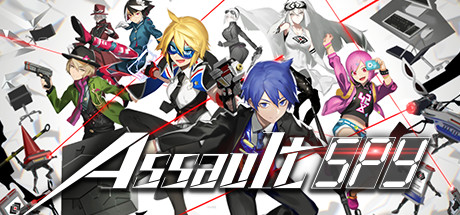
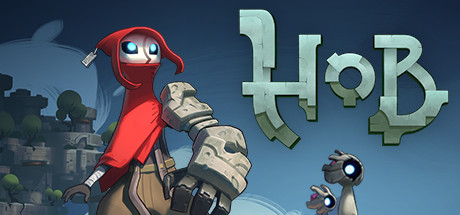
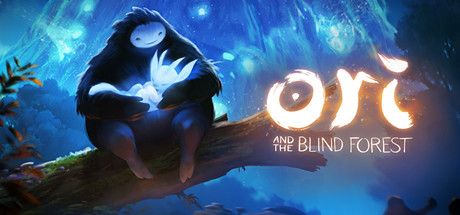 GOTY
GOTY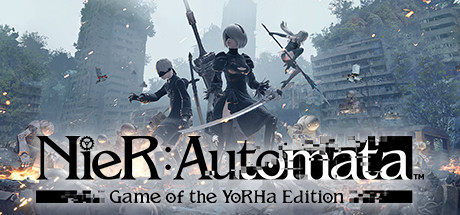
These are a collection of things that I've bought throughout my career that holds some type of significance to me.
IWC

Apple

Apple
Teenage Engineering
Teenage Engineering

Leica

Lofree

NewJeans

Razer

Analogue

Nintendo

Fractal
An interactive compendium distilling core combat design principles from 27 GDC talks and GMTK video essays. Covers melee systems, boss design, hit feel & game juice, stylized action, difficulty & accessibility, roguelike combat, and more — presented in an immersive cyberpunk-themed interface with particle effects, progress tracking, and a gamified exploration experience.
An interactive compendium distilling core level design principles from 21 GDC talks across 5 fundamental design questions and 14 cross-title consensus principles. Covers world structure & connectivity, pacing & experience curves, player guidance, environmental narrative, and design methodology — presented in an immersive cyberpunk-themed interface with particle effects, progress tracking, and gamified exploration.
一款修仙题材的ARPG。项目旨在PC端实现主机级的高品质战斗体验,主打法宝御物的飞行战斗体验。
• 负责战斗核心玩法框架的设计与落地。
• 主导PV剧情BOSS副本的玩法设计与落地。
• 推进系统化功能开发,完成战斗底层核心功能系统的建设。
• 将组织安排的版本目标拆解为可有效推进的开发方案与版本计划,确保每个版本的开发内容保质保量交付。
大型国风写实题材的ARPG项目。重点在于多角色切换战斗的连携性以及超大型Boss的战斗体验设计。
• 以商业模式以及体验偏好驱动,参与设计战斗核心玩法。
• 主导巨型BOSS副本玩法的设计与落地,同时建立开发质量等级标准。
• 负责部分卡池角色玩法设计与落地。
• 推进角色生产管线与开发流程规范建立。
一款俯视角多人合作射击游戏。在还原手机端《HELLDIVERS》体验的同时,探索多人共斗体验的更多可能性。
• 负责角色3C的设计与落地。
• 负责技能系统与编辑工具的设计。
• 以工业化产线将各功能模块进行系统化拆解与设计。
• 建设策划团队以完成项目各里程碑阶段的研发需求。
一款二次元放置RPG游戏。项目以AI伙伴情感价值为愿景,助力玩家由线上的AI陪伴过渡到线下的真人社交。
• 角色生产管线以及生产规范制定。
• 战斗系统框架及编辑工具设计。
• 总管角色3D资产的制作与投放,以实现版本目标内容所需。
一款单机Roguelike,以抑郁症的情感内核作为玩家的游戏体验的基底,帮助玩家理解并战胜疾病带来的生活阻碍。
• 通过制定随机关卡的生成规则与美术资产标准,实现自动化随机。
• 关卡玩法框架设计以及基于体验的随机规则制定。
• 完成部分玩法的系统框架以及界面的交互设计。
一款日式开放世界RPG手游,以全场景破坏与建造、68位英雄、箱庭式大世界探索为特色。
• 完成部分地图事件、任务事件及NPC角色表演和AI设计。
• 以打造挑战与乐趣并存的游戏体验为蓝图设计boss副本。
• 通过大量的创意玩法副本设计,完成游戏大地图场景的游戏内容填充。
一款以换装格斗为主的横板动作手游。
• 部分角色战斗技能的设计与配置实现。
• 部分BOSS行为树设计与配置实现。
• 部分章节剧情战斗的设计与配置实现。
一款俯视角枪战竞技对抗游戏。
• 通过英雄的形象与背景设定完成技能设计与落地。
• 对武器进行包装以及功能性设计以实现战斗趣味性。
• 部分PVP活动玩法副本地图的设计与落地。
当所有人都能"做出来"时,真正比拼的是你能不能把想要的东西说清楚,以及判断 AI 给出的结果对不对。
AI 让执行的门槛近乎归零。当所有人都能"做出来"时,竞争的焦点向上游迁移——你能不能把想要的东西说清楚,以及判断 AI 给出的结果对不对。
AI 时代真正比拼的,是个人对事物的抽象能力。抽象得越精准,AI 还原出来的结果就越到位。无论是提示词工程、设计风格提炼,还是需求拆解,本质都是同一件事:把模糊意图转化为结构化表达。
但抽象只是链条中的一环。你还需要能判断 AI 还原出来的结果对不对——这依赖于你对原始事物的真实认知深度。没有深度,就没有校验能力;AI 交出一个差的结果,你甚至看不出来。
因此,AI 时代真正在放大的,是鉴赏力与判断力,而非仅仅是抽象能力。
一句话总结:抽象能力的价值,建立在你对事物有真实理解的基础上;否则,抽象出来的不过是对幻觉的精确描述。
在感知之前,还有一个常被忽略的前提能力:问题拆解。
很多人面对 AI 时的困境,不是"说不清楚",而是根本不知道该把一个大问题拆成哪几个可被 AI 处理的子问题。你让 AI"帮我做一个完整的商业计划",和你把它拆成"市场分析 → 竞品对比 → 财务模型 → 风险评估"分步推进,结果天差地别。
拆解能力的本质是一种架构思维:
拆解能力决定了你能不能用好 AI,而不仅仅是用上 AI。
感知退化的主因是信息消费节奏太快——刷完就过,没有停留,更没有加工。
抽象弱的典型表现:说不清楚,或者说了一堆却没有层次。
抽象是你想清楚了;表达是你把想清楚的东西成功传达出去了。二者之间常有落差。
四个维度中最难速成的一环,因为它依赖真实的认知深度积累,没有捷径。
校验依赖认知深度,但还有一个更深层的问题:你怎么知道自己的标准是对的?
这就是元认知(metacognition)——对自己认知过程本身的监控能力。现实中很多人不是没有标准,而是持有错误的标准却浑然不觉。
校验能力让你发现 AI 的错误;元认知能力让你发现自己判断中的盲区。后者的天花板更高,也更难练。
大量输入 + 强迫输出 + 对比反思
输入建立感知与校验的基准线,输出倒逼拆解、抽象与表达的精度,对比反思驱动元认知的迭代。三者缺一,能力就会偏科。
第一章说 AI 时代放大的是"鉴赏力与判断力"。但"品味"不是一个笼统的词,它是分层的——不同层级对应不同的认知深度,也对应不同的竞争壁垒。
最基础的判断:事实有没有错、逻辑有没有漏洞、代码能不能跑通。
这是门槛最低的校验层——AI 自身也在快速提升这一层的能力。如果你的品味止步于此,你的价值正在被 AI 快速追平。
结果覆盖了主线场景,但有没有遗漏关键的边界条件、异常路径、特殊用户群体?
这一层需要你对问题域有全局视野。AI 往往只回答你问到的,不会主动想到你没问的。能看见"缺了什么"的人,比能判断"对不对"的人更稀缺。
方案可行,但是否简洁?有没有不必要的复杂度?有没有更直接的路径?
优雅性判断需要你见过足够多的好方案,才能识别出冗余。AI 倾向于给出面面俱到的答案,而真正有品味的人知道该砍掉什么。少即是多,这个判断力远比"做加法"难。
最高层级的鉴赏力:结果不仅正确、完整、优雅,还有没有让你"没想到"的东西?有没有超出预期的创造性跳跃?
这一层几乎无法通过清单式的检查完成,它依赖于你对领域的深层直觉——知道什么是"平庸但正确"的,才能识别出什么是"眼前一亮"的。
多数人的校验停留在前两层,而真正拉开差距的是后两层。从"能判断对错"到"能判断好坏"再到"能判断高下",每上一层,竞争者就少一个数量级。
让接收方(人或 AI)在理解你的意图之前,先建立正确的上下文。
人和 AI 接收信息时有一个共同特点——在缺乏上下文的情况下,会自动填充默认假设。这个框架的作用,就是用你的真实意图去替换对方的默认假设。
回答的问题:这件事发生在什么环境里?
不是流水账式的介绍,而是会影响结果的关键上下文。
| 示例 | |
|---|---|
| ❌ 弱背景 | “我在做一个游戏” |
| ✅ 强背景 | “我在做一个手机端 roguelite 游戏,单局 15 分钟,玩家单手操作” |
区别在于:强背景里的每一句话都会切实影响后续答案的方向。
回答的问题:成功长什么样?
目标描述的是终态,而非过程。越具体越好,最好能量化或可验证。
| 示例 | |
|---|---|
| ❌ 弱目标 | “我想让战斗更有趣” |
| ✅ 强目标 | “我希望玩家在战斗中每隔 10 秒左右就有一次主动决策机会,而非纯粹的自动战斗” |
回答的问题:哪些方向是死路?
约束往往比目标更能有效收窄答案范围。可分为两类:
示例:“不能引入新的 UI 元素(UI 改动成本高);不做连招系统(已验证玩家学不会)”
很多人表达时只说目标而忽略约束,结果对方给出的方案方向正确却无法落地。
回答的问题:有没有已经存在的参照物?
示例是最快消除模糊的手段,有三种用法:
没有现成参照物时,可以自己构造一个最小示例——哪怕不完整,也远比没有强。
场景:让 AI 帮你设计一个技能系统
❌ 没用框架的版本
帮我设计一个战斗技能系统,要有策略性。
✅ 用了框架的版本
背景:手机 roguelite,单局 20 分钟,玩家每局从零开始积累技能,美术资源有限
目标:技能组合之间能产生有意义的协同效果,让玩家有"搭配出奇招"的满足感
约束:技能总数不超过 30 个,不做主动技能(只有被动和触发式),不引入状态栏 UI
示例:协同效果类似《杀戮尖塔》的卡牌组合,但触发方式更接近《弓箭传说》
同样是"设计技能系统",后者给 AI(或同事)的信息密度高出几个量级,还原出来的方案精准度也会天差地别。
四个要素不必每次都写全,但每次表达完之后值得做一轮自检:
我有没有让对方知道:我在哪里、我要什么、什么不能做、像什么?
缺哪个,补哪个。缺得越多,对方脑补的空间越大,结果偏差也就越大。
"抽象能力"在不同领域的表现形式差异很大。理解这些差异,能帮你找到更贴合自身领域的训练路径。
| 领域 | 抽象的核心挑战 | 表达的关键难点 | 校验的典型标准 |
|---|---|---|---|
| 编程 | 把业务逻辑拆解为数据结构与流程 | 用代码结构精确表达意图,而非让 AI 猜 | 能跑通、可维护、性能达标 |
| 视觉设计 | 把审美感受翻译为可参数化的风格描述 | 将感性的"感觉对了"转化为具体的色彩、比例、节奏 | 视觉层次清晰、情绪传达准确 |
| 写作 | 把情绪和洞察压缩为精准的文字 | 在信息密度与可读性之间找到平衡 | 读者能否在无需补充解释的情况下准确理解 |
| 产品设计 | 把用户行为模式提炼为可验证的假设 | 区分"用户说的"和"用户实际需要的" | 假设是否可测试、数据是否支持 |
| 战略决策 | 从噪音中识别真正的因果关系 | 在不确定性下给出明确的行动方向 | 决策逻辑在事后复盘时是否经得起检验 |
不同领域的抽象能力虽然表现形式各异,但底层的认知机制是共通的:识别模式、提取结构、压缩信息、验证还原。
这意味着:
如果你不确定从哪里开始,一个简单的方法是:在你最擅长的领域里,把你的隐性知识显性化。
比如你是一个资深设计师,试着把"这个设计为什么好看"说清楚——不是用"感觉",而是用结构、比例、对比度、信息层级来解释。这个"说清楚"的过程,就是在训练抽象和表达。而当你能在设计领域做到这一点后,你会发现同样的思维方式可以迁移到写作、产品甚至管理沟通中。
前面几章都是单向视角——人如何更好地驱动 AI。但实际上,长期与 AI 协作会反向改变你的认知结构。这是一把双刃剑,值得认真对待。
AI 越强,你就越需要刻意维护自己的核心能力——就像电梯越方便,你就越需要刻意去爬楼梯。
前面的讨论聚焦于个人,但 AI 对团队协作模式的冲击同样深远。当团队中每个人都能借助 AI 快速产出时,新的瓶颈和机会随之出现。
过去团队的瓶颈常常是"人手不够、做不完"。AI 时代,这个瓶颈转移到了对齐——大家对"好"的标准是否一致?对问题的拆解方式是否兼容?
一个人用 AI 写出的方案可能很快,但如果五个人各写各的、标准不统一,整合的成本可能比从零开始还高。速度不是瓶颈了,共识才是。
第四章的"背景 → 目标 → 约束 → 示例"框架,同样适用于团队内部的需求沟通。一个团队如果能统一采用结构化表达规范:
AI 时代的团队分工正在重塑。关键角色可能不再按"谁来执行"划分,而是:
传统团队里,执行能力强的人最有价值。AI 时代,定义标准和守住标准的人最有价值。
文章至此,一个更根本的问题浮出水面:当 AI 什么都能做的时候,人的价值到底在哪里?
以下能力,AI 正在快速逼近甚至超越人类:
如果你的核心竞争力建立在以上任何一项之上,红灯已经亮了。
以下能力的壁垒更高,AI 在可预见的未来仍然薄弱:
如果要用一句话概括这个趋势:
人的价值正在从"知道答案"转向"提出好问题",从"能做出来"转向"知道该做什么"。
具体来说:
AI 不会取代有判断力的人,只会取代没有判断力的人。
在这个执行成本趋近于零的时代,你对世界的理解深度,就是你最后的护城河。拆解、感知、抽象、表达、校验、元认知——这六项能力不是彼此孤立的技能点,而是一条环环相扣的链条。任何一环薄弱,整条链条的输出质量都会打折。
在个人能力之上,品味的分层决定了你能走多高,反馈回路的设计决定了你能走多远,团队协作的范式决定了你能影响多广。
好消息是,这些能力都可以刻意训练。坏消息是,没有人能替你训练。
而更残酷的好消息是:正因为没有捷径,愿意下笨功夫的人反而拥有最宽的护城河。
A few reasons why being a "designer" in any sense is a terrible idea in 2024.

As of this year, I would confidently be able to say I’ve been working as a designer (in a variety of different capacities) for about 15 years. During that time, I’ve gone from being a founding designer, a design leader, and a high level individual contributor at quite a few organizations. I’ve seen some succeed in an incredulous manner, some fail crushingly, and some just “figure it out” at a steady pace. And the thing is, I’ve been periodically asking myself the same question throughout:
And ultimately, I come back to the answer of: Yes—but the reason always changes. Because of that, I think those reasons have helped to inform a few “whys” that I think are important to know if you decide to embark on quite an unclear career path like this one.
So here are some reasons why I wish I hadn’t become a designer:
I’ve always been into graphic design, digital design, digital art, web design, yadda yadda yadda… If you do some digging, you’ll see artifacts of myself from different times, when I dabbled in almost every niche within design I could possibly throw myself into. The reason? I loved to create, and I loved to be inspired.
For a lot of younger people, design is probably intriguing because of this notion of “expressing yourself creatively”. It feels like an attractive option to be able to flex your creative muscles, create some work you’re proud of (often visually motivated), and be able to say: “that’s something I made!” after it all.

This isn’t to say that you won’t have glimpses of these moments—it’s just that they’re far and few compared to the day-to-day drudgery work you might end up doing. Design is much of the time a problem-solving exercise, no matter the focus. As a graphic designer, you’ll spend more time trying to figure out how to execute on a strategy from a marketing partner. As a web designer, you’ll have to spend a lot more time with developer alignment and handoff. As a product designer, you’ll have cross-functional stakeholders who have strong convictions on how a problem should be answered. And all of these problems have probably been answered by someone in a some way in the index of endless output of ideas that we call the internet.
You’ll spend less time being “creative” from your conventional understanding of the word and look for ways to solve problems while dealing with constraints. If you want to be creative and expressive, I’d look into going into content creation or a form of traditional art.
I don’t think people get into creative fields thinking they’re going to make a ton of money, but it’s probably important to know that as you get older and life starts to move at a different pace, more money will become a priority.
I personally didn’t get into the field expecting to make what I make now, and I’m incredibly blessed that I’ve been given the opportunities to do so. I was fully expecting to live a simple life making $60-$80k a year when I was younger and more naive, but no matter how optimistic you are… eventually reality hits.

If you’ve ever wanted to own a home, have children, get married—understand the tradeoffs you’re making by picking this field.
Design is demanding, often requiring its admirers to sacrifice times, relationships, and headspace for a non-guaranteed promise of success. Agency life brings overtime, stress, and short turnarounds. In-house work is draining, political, and creatively limiting. And freelance? That’s a different animal on its own that wants every essence of you.
And for my third and final point… you’ll soon come to realize that to excel in this path, you have to learn how to “play the game”.
Office politics is unfortunately what fuels success in all careers, and design is no exception. I once foolishly believed that I could win the world with just my talent and hard work, but I saw my peers move faster and farther by making the right relationships, constantly shooting their shots, and focusing on being opportunistic. It was a painful experience that took me way too long to learn, and I was well into my late twenties by the time this truth sunk in.

I do a lot better nowadays, but it took a lot of focus and determination… along with kind hearts, good coffee, and insightful conversation.
What drove my career to this point was less about my deep understanding of Figma, building products, and creative tools, but the value and relationship I was able to create with the people who were influential near me.
Well, if I didn’t deter you with all that—congratulations! You’ve fallen into the trap of love for design, like I foolishly had 15 years ago. But fret not, I have some good news.
If you still are interested, it probably means you genuinely care about the work you do and you have a passion for crafting and building things. Your interest in this field is less about the clout or money and probably more towards the craft of it.
So here’s the advice I have for a fellow (and maybe younger?) artisan. Love the craft. Keep sharp and constantly keep learning. The ones who continue to learn are the ones who continue to grow. Humility will be the backbone of your growth, as you’ll always be looking to learn from every opportunity. While others hoard money and influence, you’ll become insanely valuable by becoming wealthy in knowledge.
With that, I wish you the best of luck. Give it your all, create some awesome stuff, and take advantage of every opportunity you have to prove that you’re a real one. Make it a mission to show everybody what a real designer looks like—what a real craftsman is.
This post was written in 2019, via Medium.

There was a period in my life when my future was filled with unlimited potential and possibilities. Life was something that was intriguing, exciting, and full of wonder. Every day, I couldn’t wait until I was old enough to “do that thing”, “be my own man”, or “fulfill my dreams”.
As I got older, life acquired a different taste. Somewhere along the line, it became less about possibility and dreaming, and more about stability and compromise. As I closed out my twenties, all I could think about was what I failed to accomplish in this regard.
I hadn’t gotten married by 21…
and then by 24…
and now, 30.
I never got to own my own studio by 25. I never became a wildly successful designer that people recognized off the street. I never got to work with Nike. I never got to work with my design heroes. I never got to buy my sick penthouse.
It’s even sadder if I dive deeper to back when I was a pre-teen. I never became an astronaut. I never figured out time-travel. I never discovered a new planet. I never went to space. I never figured out how to clone myself so I could make my clone do all the things that I didn’t want to do in my life (cloning is hard, guys).

As a youth I was so fixated on accomplishing all these things by certain timelines — almost as if my life was operating on a ticking clock. Every day became less exciting and became more about shortened deadlines. By my mid-twenties, life had turned into one big task list. I couldn’t help but wonder: What had happened in my life so that compromise became the indicator for growth?

I didn’t have a “freakout” when I turned 30. Friends, How I Met Your Mother, and other tv comedies from the 00’s told me that this was a significant change that I would feel, and that I would mourn the loss of my youth when it came around — but it did the opposite.
I came to accept the terms of life that I refused to sign-off on for the past two decades: Life isn’t a sprint. It’s a marathon and you’re the only one running it. From there on, it became about finding the right pace for me, and the perspective to match.
I had a massive checklist of things I wanted to get done by this time. I failed on all of them. But I’ve done so much more than that list could ever detail.
It’s interesting how we spend our entire lives planning things out, only to be constantly reminded that life doesn’t play by our rules. The sooner we accept that, the sooner we can experience these curveballs in a more joyful perspective — embracing change and the challenges that come along the way that aren’t necessarily “wrenches” in our plans, but alternate roads we never could have imagined ourselves.
My life looks nothing like what I imagined it to a year ago, much less 10 — and I’m sure yours does too.
And you know what? I think that’s what’s supposed to make life fun.

Open WeChat, scan the QR code to add as friend


